AI Video Generation for Film & Entertainment Production
Discover how AI video generation is transforming film production, from previsualization and VFX placeholders to indie filmmaking. Learn practical workflows using Seedance 2.0 for entertainment professionals.
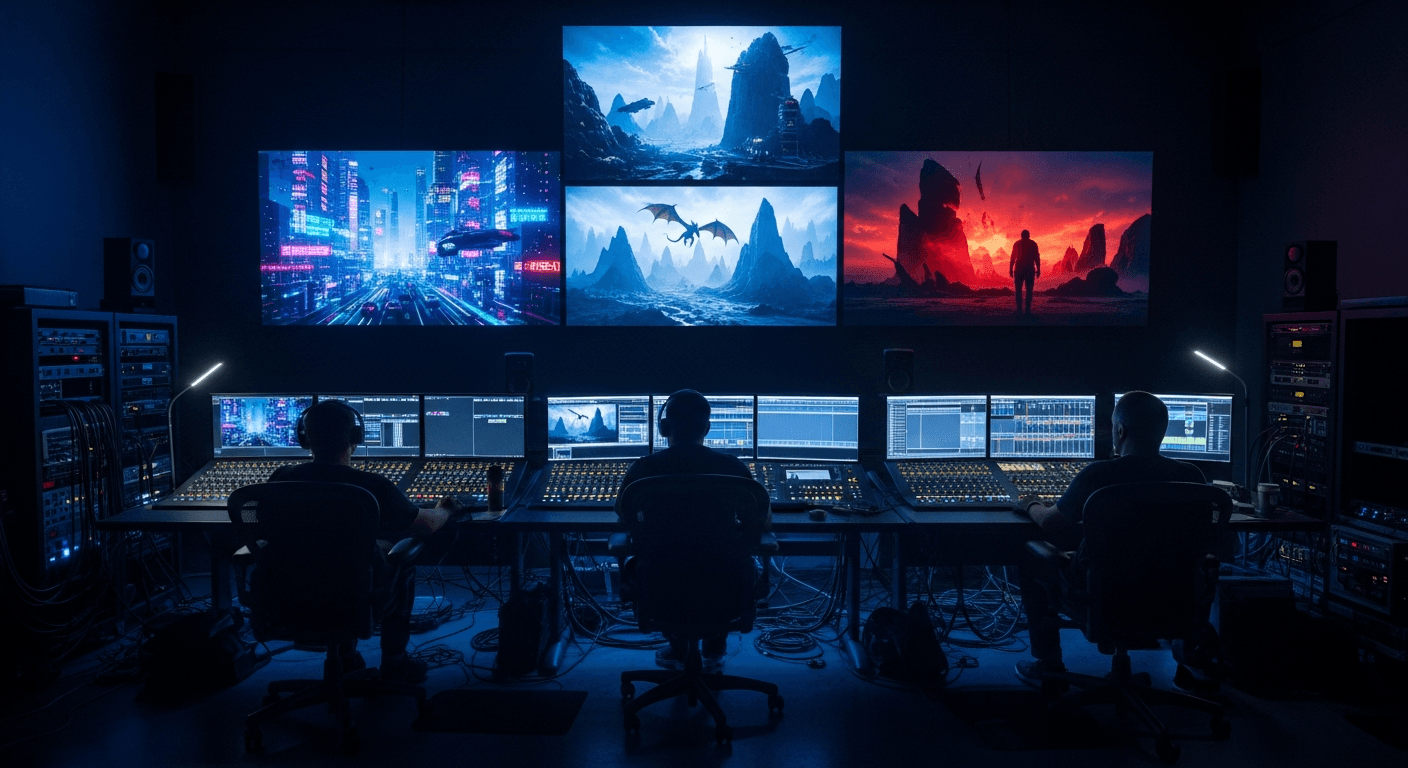
Hollywood is using AI for previz — you can too. The same technology that is compressing $200,000 previsualization budgets at major studios is available for $3.04 a clip on a browser tab. The tools have already democratized. The only question is who adapts first.
TL;DR
- Previz for indie budgets: Animate your storyboards with Seedance 2.0 at ~$3.04 per clip
- VFX concept validation: Test 20 shot directions for $61 before committing to a VFX house
- B-roll and establishing shots: Generate custom footage instead of paying $50-$500 per stock clip
- Pitch sizzle reels: Build a moving pitch deck for under $100 in generation costs
- Augments, does not replace: Real cameras still win for principal photography and talent-driven scenes
Where AI Video Actually Fits in a Film Workflow
This guide is not about replacing cinematographers. Real cameras, real actors, and real locations still produce the finished frames audiences pay to see. But film production has always had a hidden pipeline behind the principal photography: previz, concept art, mood boards, VFX validation, pitch reels, animatics. That hidden pipeline is where AI video is reshaping the economics.
What AI video is great for in 2026:
- Previsualization and animated storyboards
- VFX concept validation before you engage a vendor
- Establishing shots and atmospheric b-roll
- Mood and color exploration for DP collaboration
- Pitch sizzle reels and investor presentations
- Indie and short-form filmmaking where budget is the constraint
What it is not for:
- Final delivery at feature resolution (720p ceiling on Seedance 2.0)
- Scenes requiring exact character consistency across 90 minutes
- Principal photography of anything with named talent
- Shots where frame-exact physical control matters
Previz a scene tonight
Your 50 free credits cover an entire keyframe pass plus your first animated previz shot. Zero studio overhead.
Try Seedance 2.0 FreePreviz: From Storyboard to Moving Image
Traditional previz is a budget line that hurts. Major studios spend $50,000-$200,000 on it per feature. Mid-budget productions pay $10,000-$40,000 to a previz artist team. For indie filmmakers, it is usually out of reach entirely — which is why most indie projects rely on static storyboards that fail to communicate pacing, camera movement, and the temporal rhythm of a scene.
Here is the AI-powered alternative workflow:
Step 1: Generate keyframes with Seedream
Use Seedream v5 at 8 credits per image ($0.08) to generate your establishing shot, your coverage angles, and your climactic moments. A complete keyframe library for a 10-minute scene runs you about $0.80 for 10 images.
Step 2: Animate with Seedance 2.0 image-to-video
Feed each keyframe into Seedance 2.0. Each generation is 4-15 seconds of 720p cinematic motion at $3.04. Write prompts that specify camera movement: "slow dolly push forward," "handheld drift right," "crane descent."
Step 3: Cut in your NLE
Premiere, DaVinci Resolve, Final Cut — drop the clips in, add temp music and sound design, and you have an animated storyboard that communicates what a static board never could: the emotional rhythm of the cut.
Step 4: Iterate cheaply
A revision on a traditional previz shot costs thousands. A revision on a Seedance clip costs $3.04. Directors can test five camera angles for one scene for roughly $15 — something that would be unthinkable with a previz house.
Real cost comparison for a 5-minute previz sequence (20 shots):
| Approach | Cost | Timeline | |---|---|---| | Traditional previz house | $20,000-$80,000 | 2-4 weeks | | In-house with 3D tools | $5,000-$15,000 | 1-2 weeks | | Seedance 2.0 | ~$60-$120 | 1-2 days |
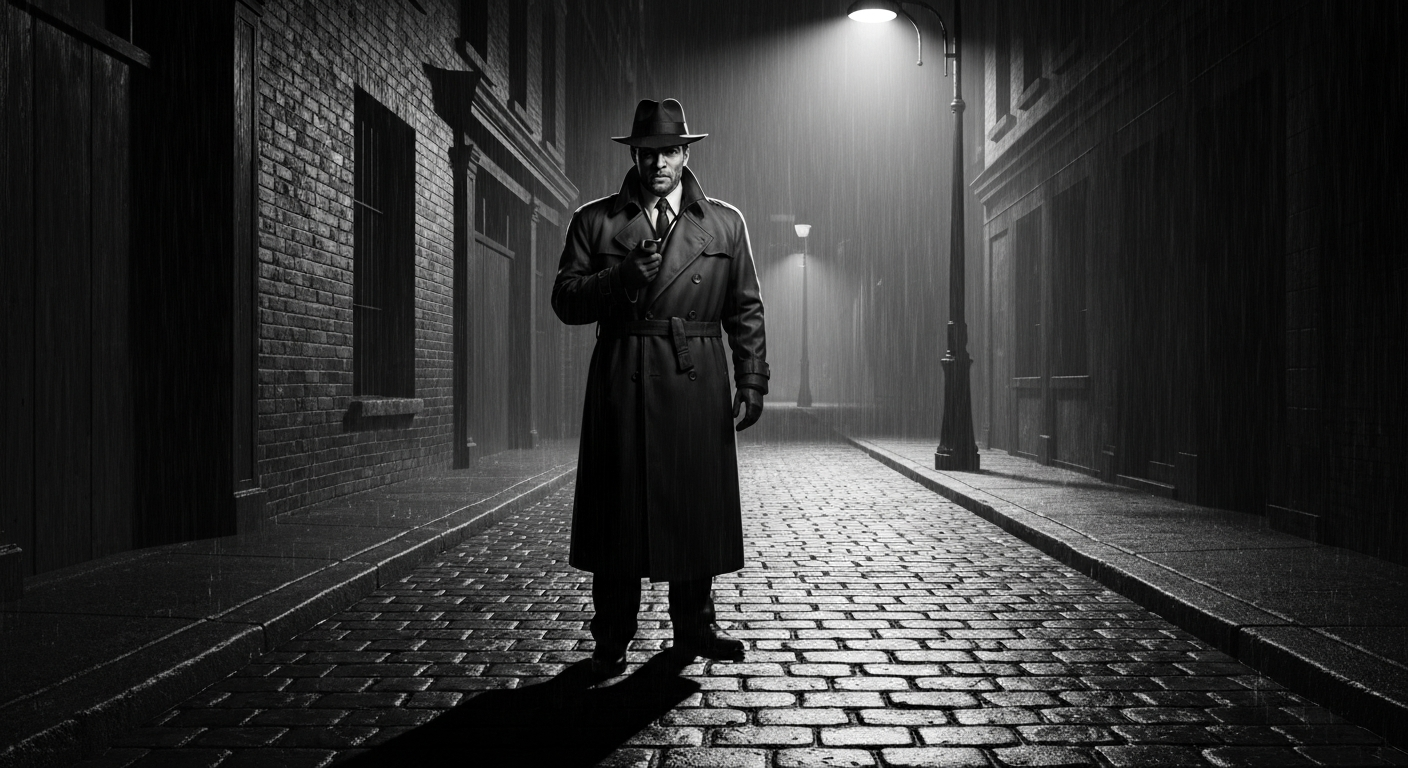
Want previz shots like this for your script? You're 30 seconds away from your first generation. Try Seedance 2.0 free →
VFX Concept Validation Before You Commit Budget
A finished VFX shot at a major house runs $10,000-$50,000. Before you commit to that spend, you need to know the creative direction is correct. Directors and VFX supervisors are now using Seedance 2.0 as a concept validation layer.
Use case: the spacecraft descent
A director wants a scene of a spacecraft descending through a cloud layer. Before engaging the VFX house, she generates 20 variations exploring:
- Cloud density (thin, medium, thick volumetric)
- Approach angle (straight down, oblique, horizontal flyby)
- Lighting time of day (golden hour, overcast, night)
- Ship silhouette visibility (full reveal vs emerging)
Twenty generations at $3.04 = $60.80. That is less than a single hour of a senior VFX artist's billable time. The director walks into the VFX kickoff meeting with a clear visual target, and the vendor bids against a specific reference instead of guessing at the brief.
Temp VFX for test screenings
Studios run test screenings during post-production. VFX-heavy scenes typically show with green screen plates or "VFX NOT FINAL" title cards, which confuses test audiences and contaminates feedback. AI-generated placeholders give you something a test audience can actually react to — not finished, but enough of the intended visual to trust the feedback.
Indie Filmmaking on a Micro-Budget
The democratization story is real. Shots that required a $2M budget five years ago can now be produced by a filmmaker with a laptop and a $25 credit purchase.
Establishing shots and B-roll
Every film needs cityscapes, landscapes, aerials, time-lapses. The options used to be:
- Stock footage: $50-$500 per clip, often generic
- Drone permits and crew: $500-$5,000 per day
- On-location travel: thousands, plus logistics
With Seedance 2.0, you generate custom establishing shots that match your film's exact color palette and mood for $3.04 per clip. A 10-shot establishing package: ~$30.
Environments you cannot physically access
Historical settings. Alien planets. Post-apocalyptic wastelands. War zones. These environments used to require massive VFX budgets or elaborate sets. Now they are prompts. Composite AI-generated environments with live-action foreground performance and you have scenes that rival studio productions.
The micro-budget production toolkit
| Production element | Traditional cost | Seedance cost | |---|---|---| | Previz (20 scenes) | $5,000-$20,000 | ~$120 | | Establishing shots (10) | $2,000-$5,000 | ~$30 | | VFX concept tests (15) | $3,000-$10,000 | ~$46 | | Concept art (50 images) | $2,500-$10,000 | ~$4 | | Total pre-production visuals | $12,500-$45,000 | ~$200 |
The $25 credit tier (2,750 credits) covers approximately 9 Seedance 2.0 generations plus hundreds of Seedream images — a substantial pre-production toolkit for the price of a pizza.
Creative Direction and Mood Exploration
One of the most underrated uses of AI video in filmmaking is the collaboration tool between director and DP. Before you lock a visual language for the production, you can test it.
Color and lighting tests
Generate the same scene description with different color grading intent:
"Warm golden-hour key light, amber fill, rich shadow detail, 1970s Kodak film stock look."
"Cool blue moonlight, hard rim, heavy negative fill, modern digital cinema look."
"Overcast flat lighting, desaturated palette, gritty documentary feel."
Compare, discuss, decide. This is the kind of iteration that used to require test shoots.
Camera movement exploration
Text prompts let you specify camera vocabulary — slow push, whip pan, crane up, handheld drift. Test movement styles for a key scene before you commit to a dolly rental or gimbal day.
Genre blending
If your project mixes tones — say, a noir romance with sci-fi elements — generate the same scene description through different genre lenses. See which visual language actually serves the story before you set foot on set.
Practical Workflows for Entertainment Pros
Workflow 1: The Director's Vision Package
Goal: Deliver a visual reference package to your department heads before pre-production.
- Break your script into 10-15 key moments
- Generate keyframes with Seedream v5 (~$1 total)
- Animate the strongest 5-8 with Seedance 2.0 (~$15-$24)
- Assemble in Keynote or a video reel with pacing notes
- Total cost: ~$16-$25 for a professional visual reference package
Workflow 2: VFX Bidding Reference
Goal: Give VFX houses clear creative direction alongside bid requests, reducing ambiguity and revision cycles.
- Generate 2-3 reference clips per VFX shot showing intended look
- Include with shot descriptions and technical specs in the bid package
- Result: more accurate bids, fewer expensive mid-production course corrections
Workflow 3: Animated Storyboard Reel
Goal: Build a complete animated storyboard for a scene or short film.
- Break the scene into individual shots
- Generate a keyframe per shot with Seedream
- Animate each with Seedance 2.0 image-to-video
- Cut with temp music and sound design
- A 2-minute scene with 15-20 shots costs ~$45-$60 in generation
Make your pitch reel this weekend
Replace a $20K previz bid with $200 in credits. Your 50 free credits cover the pilot shot — see it for yourself.
Start Previz For FreeFull Cost Comparison
| Task | Traditional | Seedance | Savings | |---|---|---|---| | 30-second previz sequence | $2,000-$5,000 | ~$21 | 99% | | Concept art (30 images) | $3,000-$12,000 | ~$2.40 | 99%+ | | VFX validation (10 shots) | $5,000-$20,000 | ~$30 | 99%+ | | Establishing shot package (5) | $1,000-$5,000 | ~$15 | 97-99% | | Full 5-min previz reel | $20,000-$80,000 | ~$300-$600 | 97-99% | | 2-min pitch sizzle | $5,000-$20,000 | ~$90 | 98%+ |
Insight: The biggest beneficiaries of these savings are not the mega-studios that can already afford traditional previz — it is the indie filmmakers who were previously locked out entirely. AI video is the single largest democratization of visual storytelling since the DSLR revolution.
Limitations You Need to Understand
Being honest about what AI video cannot do today is how you use it well.
Resolution ceiling: Seedance 2.0 outputs 720p. Perfect for previz, concept, and pitch work. Not suitable for feature delivery. For higher resolution needs, Seedance 1.0 Pro reaches 1080p.
Duration limits: 4-15 second clips mean you have to plan longer sequences as cut assemblies, not single takes.
Character consistency: Keeping the same named character's face across many shots is still hard. This is an active area of development across all AI video models.
Frame-exact control: Prompts give you creative direction, not frame-level control. If you need a specific actor hitting a specific mark at a specific frame, that is a camera day.
Ethics and Industry Context
The film industry has legitimate concerns about AI. The working artists' guilds, the VFX community, and many directors have raised real questions. Use AI responsibly:
- Augment, do not replace: Use AI for work that would not have existed without it (indie previz, exploration, pitch materials) rather than displacing existing jobs.
- Disclose in public contexts: Festival submissions, distributed content, and marketing materials should indicate AI-generated elements where applicable.
- Respect the guilds: Follow WGA, DGA, and SAG-AFTRA guidelines on AI use in union productions.
- Rights and licensing: Review terms of service for any generation platform. Keep records of your prompts and generation settings.
Case Study: A 10-Minute Indie Sci-Fi Short
Traditional approach:
- Storyboard artist: $2,000
- Concept art (20 pieces): $6,000
- Basic 3D animatics: $8,000
- VFX tests: $3,500
- Total: $19,500
- Timeline: 6 weeks
Seedance-assisted approach:
- 80 Seedream keyframes: ~$6
- 40 Seedance 2.0 animated shots: ~$122
- 15 VFX concept tests: ~$46
- 10 style exploration generations: ~$30
- Total: ~$204
- Timeline: 3 days
The saved $19,296 goes directly into production value: better locations, better lenses, better food on set, better post-production color. This is not the AI replacing humans — this is the AI moving the budget where it actually shows on screen.
Getting Started as a Film Professional
- Sign up for 50 free credits — enough for one Seedance 2.0 test clip or several Seedream images
- Start with Seedream for concept art at 6-8 credits per image ($0.06-$0.08)
- Graduate to Seedance 2.0 for moving previz, using your strongest Seedream frames as image-to-video inputs
- Build a prompt library specific to your project's visual language
- Integrate into your existing pipeline — NLE, pre-production boards, budgeting tools
The future of filmmaking is not the AI making the film. It is directors, DPs, and indie creators getting access to tools that used to require six-figure budgets — and using them to tell stories they could not have told before.
Ready to previz your next project for pocket change? Start creating free with Seedance 2.0 →