AI Food Photography with Seedream v3 for Restaurants & Menus
Create appetizing food photography with Seedream v3 AI for restaurant menus, delivery apps, social media, and websites. Professional food imagery at $0.06 per image — no photographer or studio needed.
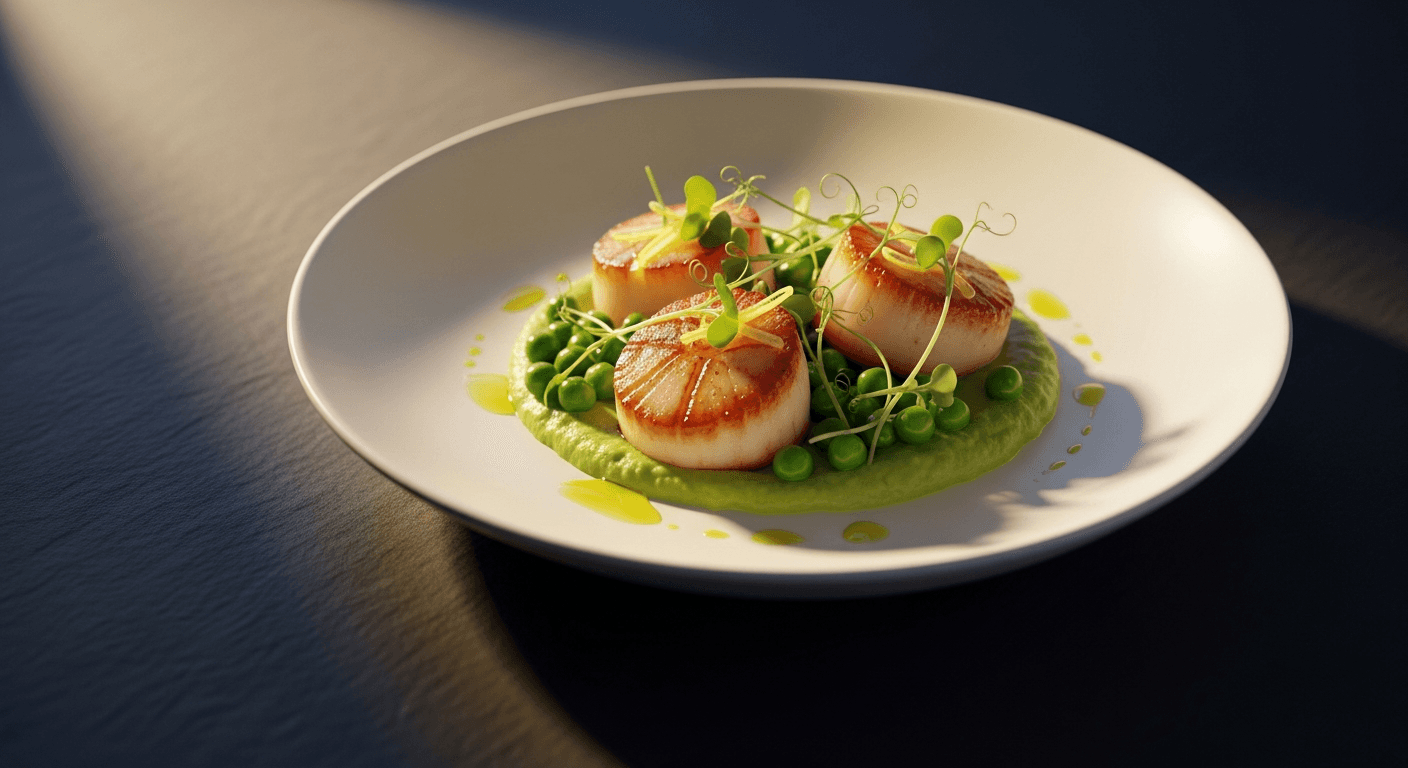
A professional food photographer charges $500-$3,000 per day, plus food stylist fees, prop rental, and studio costs. A full menu photoshoot for 30-60 dishes easily runs $5,000-$15,000. Most restaurants cannot justify that, so menus end up with no photos or with unappetizing phone snapshots. Seedream v3 generates an entire 60-dish visual menu for under $20. The economics do not just change — they invert.
Here is how to generate food photography that drives orders.
TL;DR
- Professional food shoot: $5,000-$15,000. Seedream v3: ~$18 for 60 dishes
- Use
guidance_scale7-9 for food photography (high adherence keeps ingredients accurate) - Always describe lighting direction and quality — backlight and sidelight make food look appetizing
- Include texture words: "crispy," "glistening," "caramelized," "steaming"
- Use seeds to maintain visual consistency across an entire menu
The Food Photography Cost Problem
Food photography is one of the most specialized and expensive commercial photography genres:
| Approach | 10 Dishes | 30 Dishes | 60 Dishes | |---|---|---|---| | Professional photographer | $1,500-$5,000 | $3,000-$10,000 | $5,000-$15,000 | | Freelance photographer | $500-$2,000 | $1,500-$5,000 | $2,500-$8,000 | | DIY (phone + editing) | $0 (time cost) | $0 (time cost) | $0 (time cost) | | Seedream v3 (5 imgs/dish) | $3 | $9 | $18 |
Even generating 10 variations per dish to find the perfect image, a full 60-dish menu costs $36 with Seedream v3. That is 0.2-0.7% of the professional photography cost.
See the pricing page for details.
See it for yourself
Shoot your entire menu for under $20 — 50 free credits, no card required.
Try Seedream v3 FreeTypes of Food Photography You Can Generate
Hero/Feature Shots
The primary presentation — beautifully plated food at its most appetizing. For menu covers, website hero images, featured items.
Menu Item Shots
Clean, consistent images of each menu item. Uniform style for cohesive menu design.
Social Media Food Content
Eye-catching, share-worthy images for Instagram, Facebook, Pinterest.
Delivery App Images
Clear, appetizing images optimized for DoorDash, UberEats, Grubhub where thumbnail appeal drives orders.
Seasonal and Promotional
Limited-time items, holiday specials, seasonal offerings needing quick visual content.
Plated Dish Photography
The classic food photograph: beautifully plated from a three-quarter angle.
Prompt Template
Professional food photography of [detailed dish description with
garnishes and presentation], on [plate description] on [surface],
[lighting description], [background elements], editorial food photography,
appetizing and beautiful, restaurant quality
Example Prompts
Fine dining:
Professional food photography of seared salmon fillet with crispy skin
on a bed of lemon risotto, microgreens garnish and a drizzle of balsamic
reduction, elegant white ceramic plate on dark slate surface, soft
directional window light from the left, shallow depth of field, fine
dining presentation, editorial food photography
Comfort food:
Appetizing photograph of a gourmet cheeseburger with melting cheddar,
caramelized onions, crispy bacon, and fresh lettuce, on a rustic wooden
board, golden french fries in a small metal basket alongside, warm
ambient restaurant lighting, craft burger photography, delicious and inviting
Asian cuisine:
Professional food photography of a steaming bowl of tonkotsu ramen
with perfect soft-boiled egg, chashu pork slices, nori, green onions,
and sesame seeds, dark ceramic bowl on wooden table, steam rising,
moody atmospheric lighting, Japanese restaurant photography
Dessert:
Beautiful dessert photography of a chocolate lava cake with molten
center flowing out, dusted with powdered sugar, fresh raspberries and
a mint leaf on the plate, dark background, dramatic side lighting
highlighting the chocolate texture, pastry photography
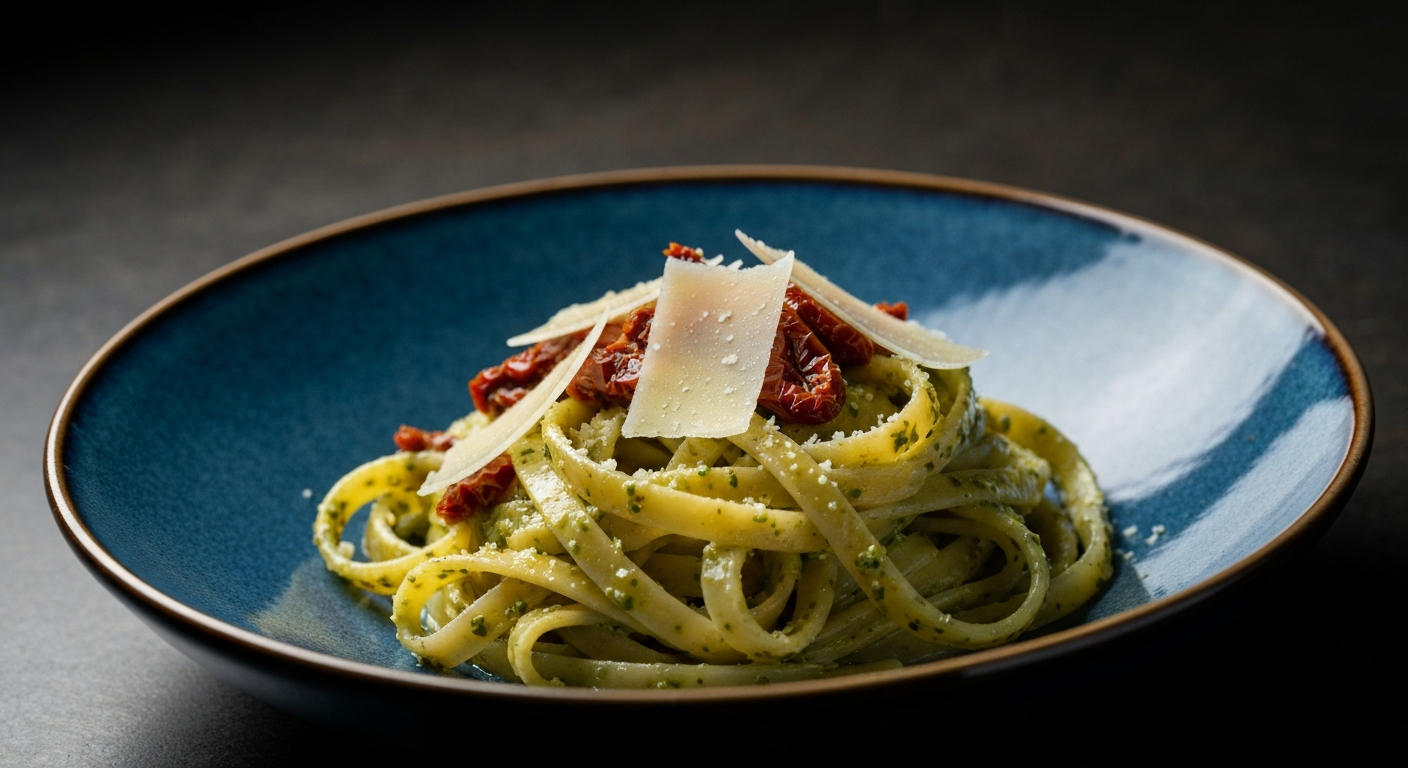
Want food photos like this? Try Seedream v3 free →
Ready to try Seedream v3? Start creating free →
Overhead Flat Lay Food Shots
Overhead shots are popular for social media and menus, showing the full dish and its context.
Example Prompts
Brunch spread:
Overhead flat lay of a weekend brunch spread — avocado toast, acai bowl,
croissants, fresh fruit, coffee cups, and orange juice — artfully
arranged on a light marble table, natural morning light, fresh flowers
and linen napkins as props, Instagram-worthy food styling
Pizza:
Overhead flat lay of a freshly baked Neapolitan pizza on a wooden pizza
peel, charred crust, fresh mozzarella, basil leaves, cherry tomatoes,
flour dusted on the board, rustic Italian kitchen background, warm
lighting, artisan pizza photography
Tapas spread:
Bird's eye view of a Spanish tapas spread — patatas bravas, gambas al
ajillo, pan con tomate, olives, and manchego cheese — arranged on a
rustic wooden table, small ceramic plates and terracotta bowls, warm
Mediterranean lighting, food sharing concept
Ingredient and Raw Food Photography
Showcasing fresh ingredients builds trust and communicates quality.
Beautiful photograph of fresh seasonal vegetables arranged on a dark
slate surface — heirloom tomatoes, purple eggplant, green herbs,
red peppers — still life composition, natural light from the side,
water droplets suggesting freshness, farm-to-table aesthetic
Professional photograph of fresh whole fish on crushed ice with lemon
slices and fresh dill, market-fresh presentation, clean white surface,
natural overhead light, seafood ingredient photography, pristine and fresh
Beverage Photography
Drinks require special attention to transparency, condensation, and color.
Cocktail:
Professional beverage photography of a craft cocktail in a coupe glass,
deep amber color with a perfect foam top, orange peel garnish, on a
dark marble bar surface, dramatic moody bar lighting with warm backlight,
condensation on glass, mixology photography, sophisticated and alluring
Coffee:
Beautiful latte art photography, heart pattern in creamy foam on a
ceramic cup, natural morning light, coffee beans scattered on wooden
table, warm and inviting, artisan coffee photography
Smoothie:
Vibrant acai smoothie bowl in a coconut shell, topped with fresh berries,
granola, coconut flakes, and chia seeds, bright natural overhead light,
tropical leaf as backdrop, healthy lifestyle beverage photography
Restaurant Ambiance and Setting
Beyond dishes, restaurants need atmospheric imagery for websites and marketing.
Fine dining:
Elegant fine dining restaurant interior, warm ambient lighting, white
tablecloths, crystal glassware, candlelight, intimate atmosphere, empty
tables set for dinner service, sophisticated and inviting
Casual cafe:
Charming neighborhood cafe interior, exposed brick walls, hanging plants,
warm Edison bulb lighting, comfortable seating areas, barista working
in background, cozy welcoming atmosphere
Outdoor dining:
Beautiful outdoor restaurant terrace at sunset, string lights overhead,
Mediterranean-style white tables with fresh flowers, ocean or garden
view in background, golden hour light, al fresco dining photography
The Secret: Texture and Freshness Cues
Appetizing food photographs are about textures and freshness signals. Include these in prompts:
- Texture words: "crispy," "flaky," "glistening," "caramelized," "charred," "creamy," "crumbly"
- Freshness cues: "steam rising," "condensation," "water droplets," "fresh herbs," "just-served"
- Color descriptors: "golden brown crust," "vibrant green," "deep red sauce," "bright yellow saffron"
- Temperature cues: "sizzling," "chilled," "warm," "ice-cold," "piping hot"
Lighting for Food
Food photography lighting makes or breaks the image:
- Backlight/sidelight: Creates depth, highlights texture, makes steam visible
- Soft directional light: The standard — "soft window light from the left" or "soft directional light from behind and to the side"
- Avoid flat front lighting: Makes food look unappetizing
- Warm tone: Slightly warm lighting makes most foods more appealing
Garnish and Styling
Always include garnish and styling details:
- Fresh herbs: basil, mint, cilantro, microgreens
- Finishing touches: drizzled sauce, grated cheese, flaked salt, cracked pepper
- Props: linen napkins, rustic cutlery, fresh ingredients nearby
- Background elements: wine glass, bread basket, wooden board
Stop reading. Start creating.
Your menu deserves appetizing photos. Shoot it for $10 — 50 free credits, no card required.
Start Creating FreeOptimal Settings
| Setting | Value | Reason | |---|---|---| | Guidance scale | 7-9 | High adherence for accurate rendering | | Size (plated) | 1024x1024 | Square for menus and apps | | Size (overhead) | 1024x1024 | Square for flat lays | | Size (hero) | 1536x1024 | Landscape for websites | | Batch size | 4 | Multiple options per dish |
Use Cases by Business Type
Restaurants
- Visual menus (digital and print)
- Website hero images
- Social media content calendar
- Delivery app listings
- Seasonal menu updates
Cafes and Bakeries
- Display case imagery
- Seasonal drink and pastry promotions
- Social media daily specials
Food Trucks and Pop-Ups
- Menu board imagery
- Social media presence
- Delivery platform listings
Catering Companies
- Service menu photography
- Event proposal imagery
- Website portfolio
Recipe Bloggers
- Recipe hero images
- Pinterest-optimized food photography
- Cookbook imagery
Building a Complete Visual Menu
Step 1: Define Your Visual Style
Choose a consistent look for your entire menu:
- Surface material (dark wood, marble, slate, white)
- Lighting style (warm window, moody ambient, bright and clean)
- Composition approach (three-quarter, overhead, eye level)
- Color palette for props
Step 2: Create a Base Template
Professional food photography of [DISH], on [your standard plate/surface],
[your standard lighting], [your standard background], [your standard
style keywords], menu photography, appetizing
Step 3: Generate Systematically
Work through your menu category by category:
- Appetizers (one session for consistency)
- Main courses
- Desserts
- Beverages
Step 4: Use Seeds for Consistency
When you find an image with ideal lighting and mood, note the seed. Use similar seeds across the menu.
Step 5: Final Selection
- Select the best per dish from batches
- Resize/crop for each use
- Add dish names if needed using design tools
Cost Example
| Category | Dishes | Imgs/Dish | Total | Credits | Cost | |---|---|---|---|---|---| | Appetizers | 8 | 4 | 32 | 192 | $1.92 | | Mains | 15 | 4 | 60 | 360 | $3.60 | | Desserts | 6 | 4 | 24 | 144 | $1.44 | | Beverages | 10 | 4 | 40 | 240 | $2.40 | | Ambiance | 5 | 4 | 20 | 120 | $1.20 | | Total | 44 | | 176 | 1,056 | $10.56 |
An entire visual menu for about $10. The Starter credit tier ($10 for 1,050 credits) covers almost exactly this amount.
Limitations and Best Practices
What AI Does Well
- Standard plated dishes and common cuisines
- Beverages and cocktails
- Ingredient displays
- Restaurant ambiance
- Generic food styling
Where It May Fall Short
- Your exact specific dishes with unique presentation
- Unusual or highly specialized cuisines
- Dishes that look significantly different from standard presentations
Best Practices
- Use AI images for menu visualization, marketing, social media
- Consider real photography for signature dishes in key menu positions
- Always describe ingredients and garnishes accurately
- Update images seasonally
- Combine AI with real photos for authenticity where it matters
FAQ
Will AI food images look like my actual dishes? AI images represent the general concept of a dish. They will not exactly replicate your specific plating. For signature dishes where exact representation matters, use real photography for those items.
Can delivery apps tell if images are AI-generated? Most platforms do not currently distinguish. Check each platform's specific guidelines. Images should accurately represent what customers receive.
Best aspect ratio for menu images? Square (1024x1024) works best for most digital menus, delivery apps, and social media. Use landscape (1536x1024) for website banners.
How do I get started? Sign up free with 50 credits for 8 test food images. A $10 credit pack covers a full menu visualization.
Can I combine food images with video? Yes. Generate food imagery with Seedream v3, then create animated food videos with Seedance 2.0. Video food content performs exceptionally well on social media.
Start creating food photography → — 50 free credits, a full menu for under $20.